
Driveways Built to Handle Weather and Use
Gravel driveway installation and repair for residential and rural properties in Wellsville, Utah.
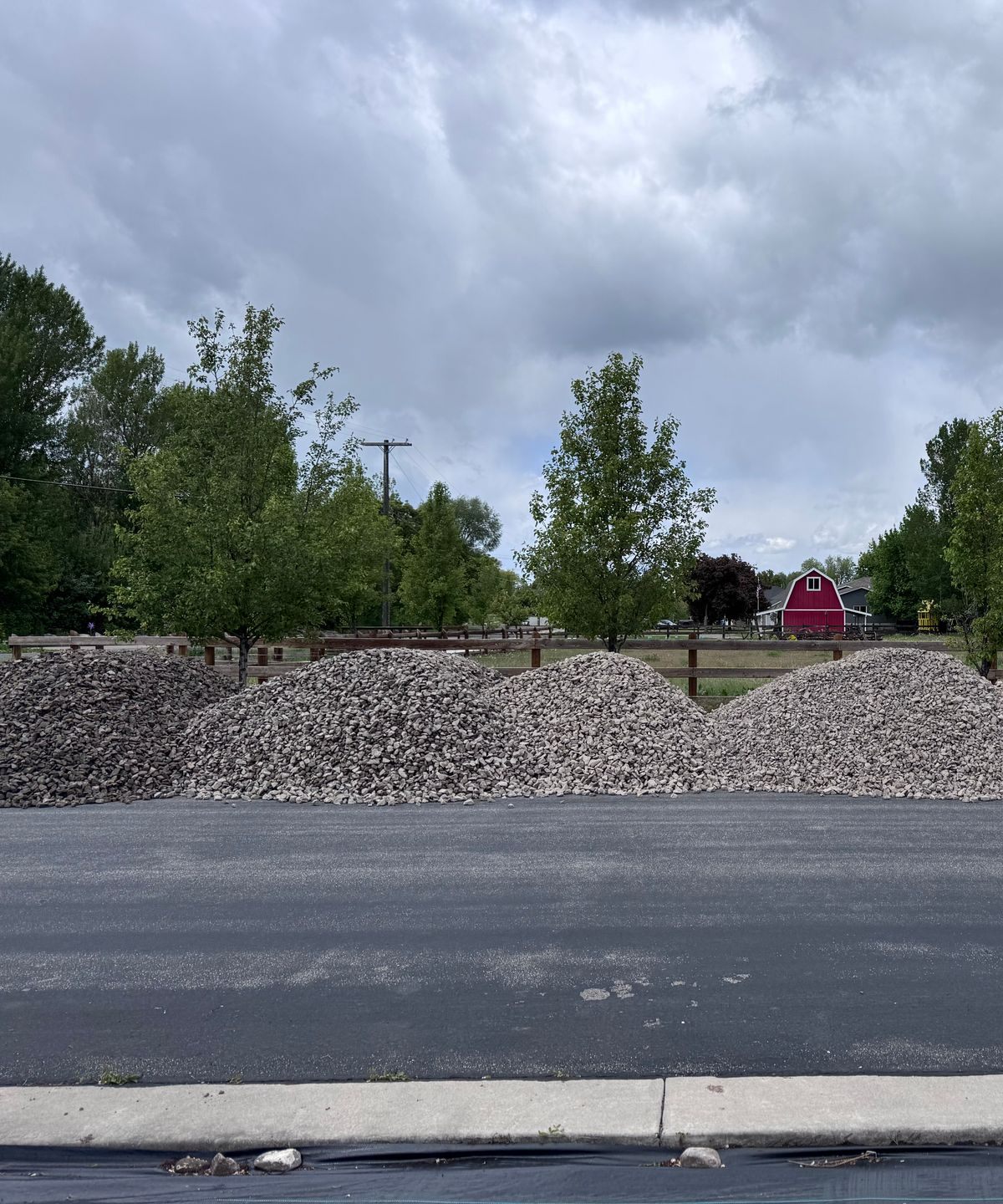
Your driveway takes the weight of vehicles, runoff from storms, and freeze-thaw cycles that shift the ground beneath it. In Wellsville, gravel driveways are common on rural properties and long access roads where asphalt or concrete isn't practical. When properly graded and compacted, gravel holds up to daily use and drains well without forming ruts or washouts that make driving difficult.
Spring Creek Excavation LLC installs and repairs gravel driveways using proper grading and material placement techniques. The process includes preparing the base, placing quality gravel in layers, and compacting each layer to create a stable surface. This approach helps the driveway resist erosion and maintain its shape through seasonal changes. The service is designed for residential and rural properties throughout Wellsville and the surrounding area.
If you need a new gravel driveway or repairs to an existing one in Wellsville, contact us for a quote and site evaluation.
What Goes Into a Driveway That Lasts
Installation starts with clearing and grading the driveway path to establish proper drainage and slope. In Wellsville, you'll see base material spread first to create a firm foundation, followed by crushed gravel that locks together under compaction. Each layer is compacted using a roller or plate compactor to prevent settling and shifting once vehicles start using the surface.
When the work is finished, the driveway has a smooth, firm surface that vehicles can drive on without sinking or sliding. Water sheds to the sides instead of pooling in the center, and the gravel stays in place even during heavy use. The result is a driveway that improves access and looks intentional rather than temporary.
This service does not include paving, curbing, or decorative edging. If the driveway crosses a drainage swale or requires a culvert, that work is coordinated separately. Gravel selection depends on the intended use, with larger aggregate used for driveways that handle heavy trucks or equipment. Once the material and layout are confirmed, installation moves forward and the driveway is ready for use within days.
Gravel driveways involve material choice, grading, and long-term maintenance. These answers cover what homeowners ask before installation or repair starts.
Common concerns before driveway work begins
If your property in Wellsville needs a new gravel driveway or repairs to one that's washing out or rutting, Spring Creek Excavation LLC can assess the site and recommend the right grading and material approach. Get in touch to schedule a driveway consultation and receive a quote.